Remembering the exit of the last Soviet occupier - MZV EN
Remembering the exit of the last Soviet occupier
Published 15.06.2023
Under the influence of the Soviet Union, the word “temporary” achieved a new meaning during the Cold War. When its army invaded Czechoslovakia in August 1968, the Soviet Union and its Warsaw Pact allies initially portrayed their presence in the country as a temporary measure.
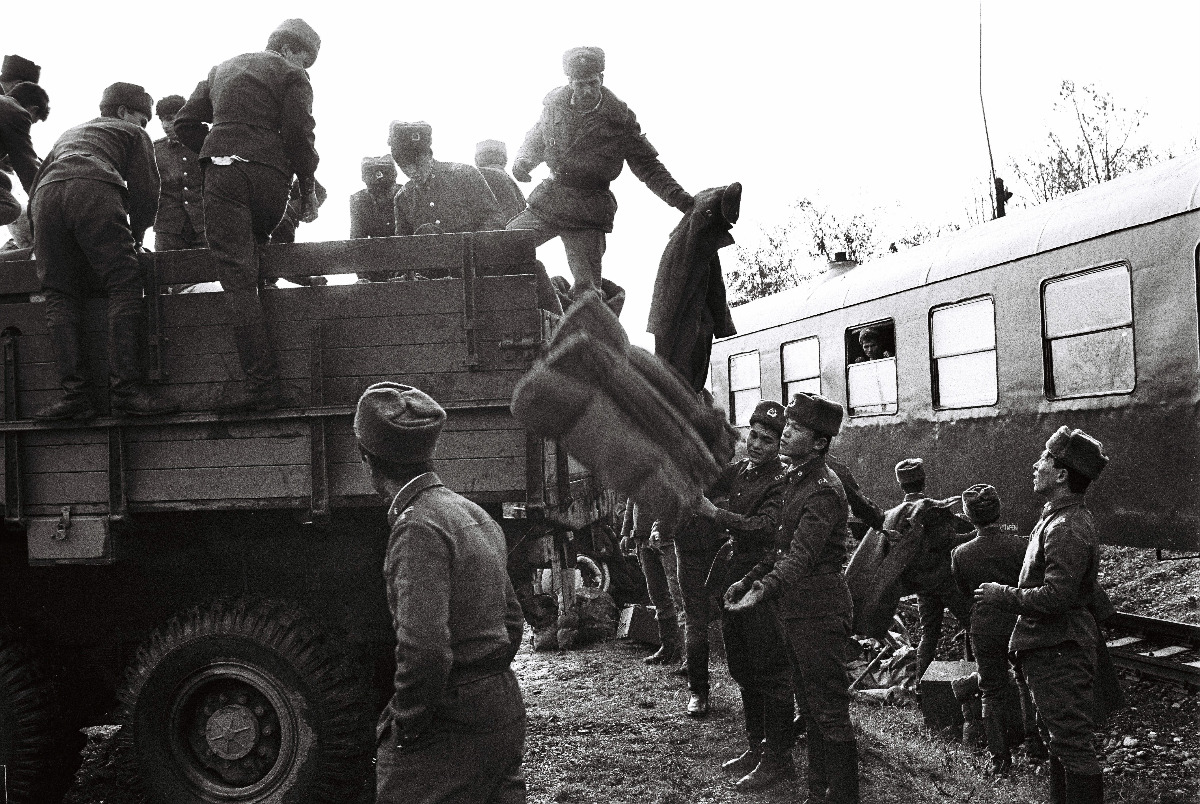
However, that turned out to be 23 years. The last army transport left Czechoslovakia on June 21, 1991. This day became a red-letter day to mark the exit of the last Soviet occupiers from the country.
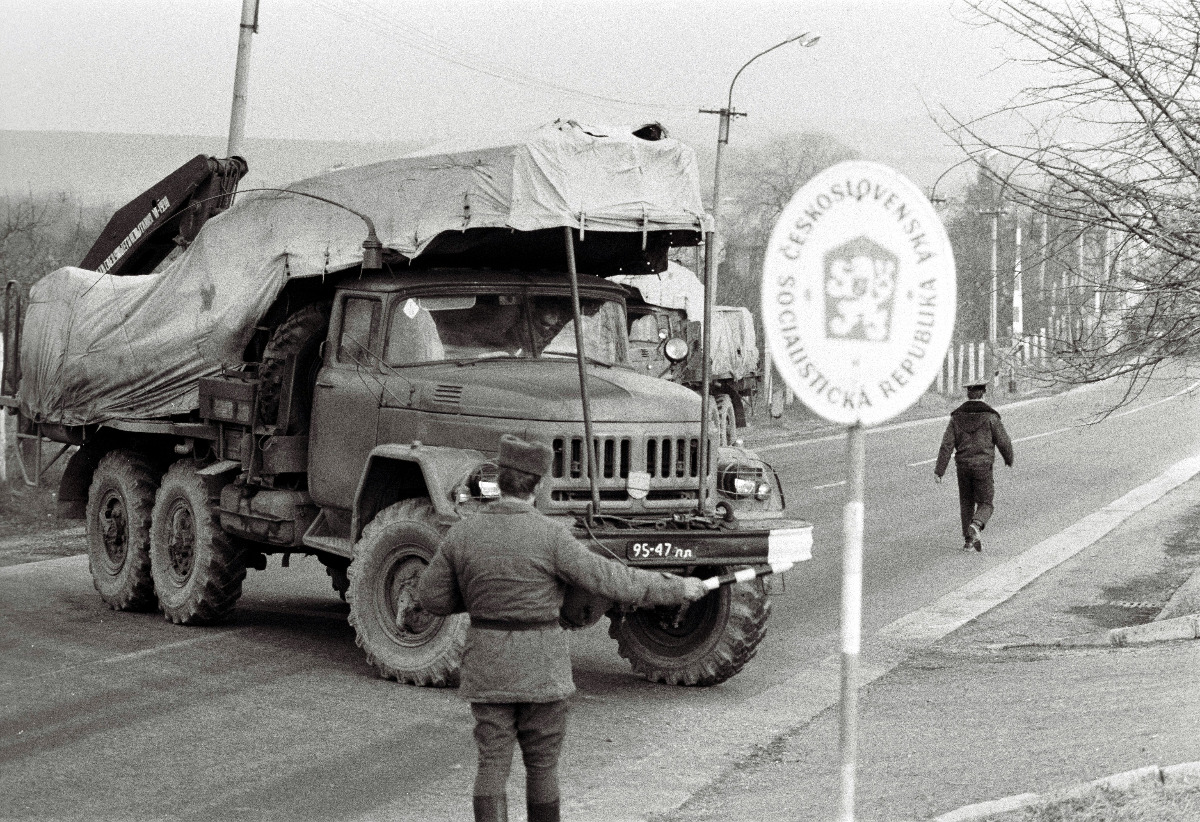
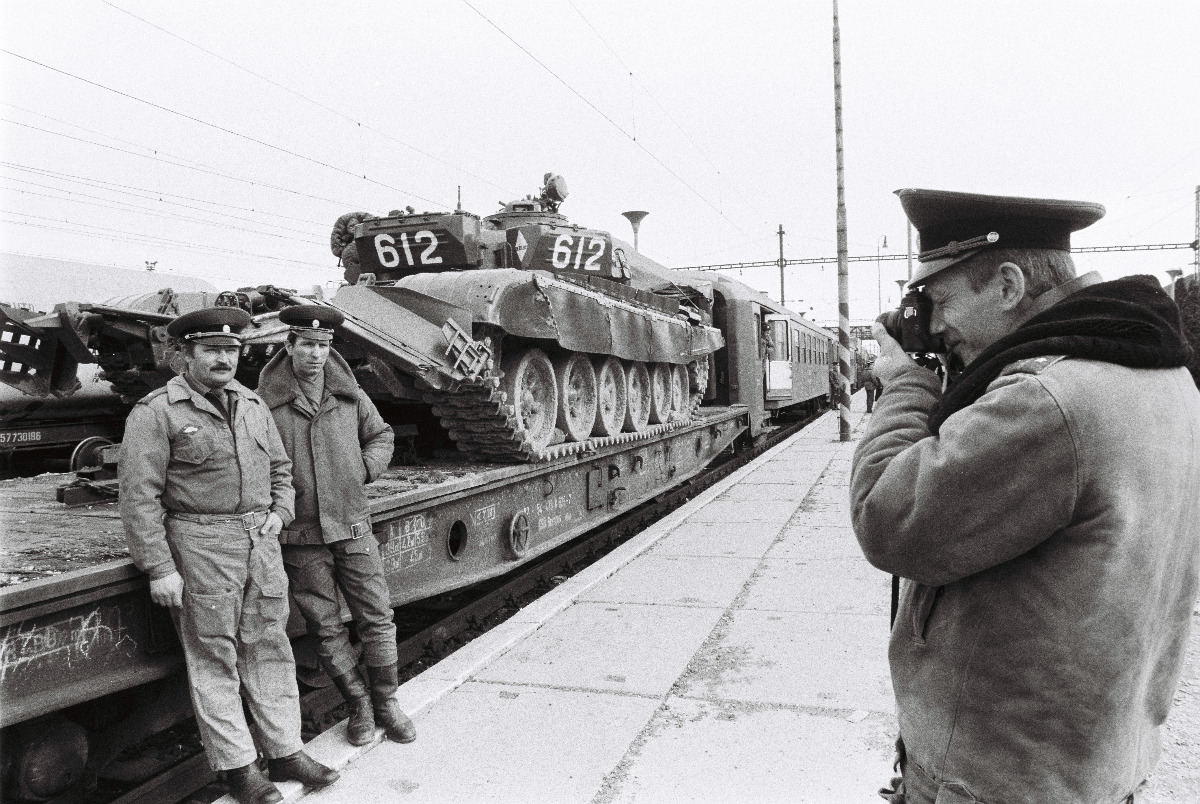
On August 21, 1968, citizens of the former Czechoslovakia awoke to see tanks and foreign troops in the streets of their cities.
The invasion was a response to a series of political and economic reforms. The idea was to create "socialism with a human face". The reforms sought to increase personal freedoms, decentralise power, and introduce elements of political pluralism, met with widespread support among the Czechoslovak population.
However, they also raised concerns in the Soviet Union, as they challenged the Soviet bloc's unity.
The invasion and subsequent occupation marked a significant setback for the reformist movement, which was removed from power and replaced by more hardline leaders loyal to Moscow. The period that followed saw a repressive regime that curtailed political freedoms, suppressed dissent, and rolled back the reforms.
The official rhetoric of the Soviet Union emphasised that the intervention was intended to restore order, portraying it as "friendly help". However, as time passed, it became apparent that the occupation was becoming more prolonged and that the Soviet Union was consolidating control.
"The 23-year 'temporary' stay held us hostage behind the Iron Curtain — and it taught us that turning a blind eye to aggression dooms entire generations," said President Zuzana Čaputová last year, adding that she hoped the day would come when the last Russian soldier left Ukraine as well.
There are parallels between both invasions.
Both events involve military interventions by a larger power into a neighbouring country. In both cases, the intervening power sought to protect its perceived interests, maintain influence, and prevent political developments that it deemed threatening.
In the past, the Soviet Union claimed that it was protecting socialism, and now Russia justified its actions as protecting the Russian-speaking population and national interests.
Both Czechoslovakia and Ukraine experienced political transitions and reforms that were seen as challenging the existing political order. The latter country underwent a pro-European shift supported by many and sought closer ties with Western institutions, which Russia considered undesirable.
Russia invaded Ukraine, hoping the intervention would go quickly and without resistance. However, this time its misguided actions resulted in an ongoing and devastating war in its wake.
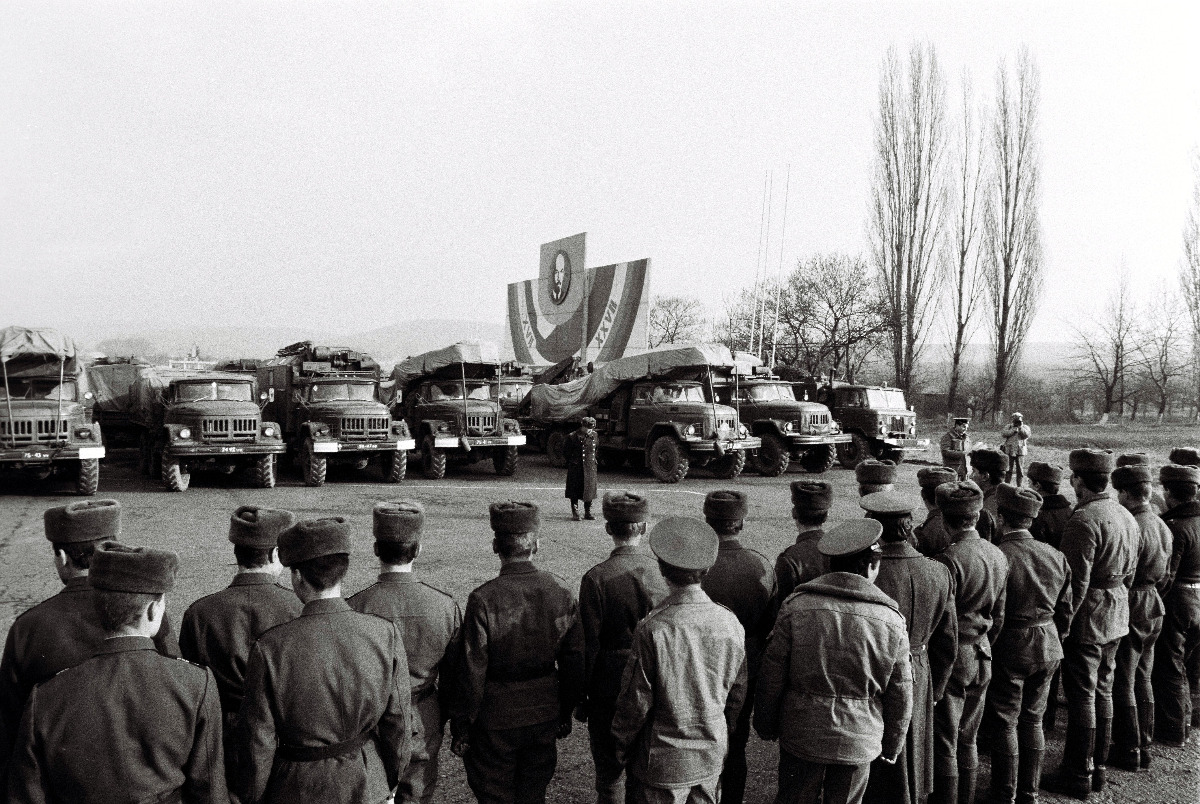
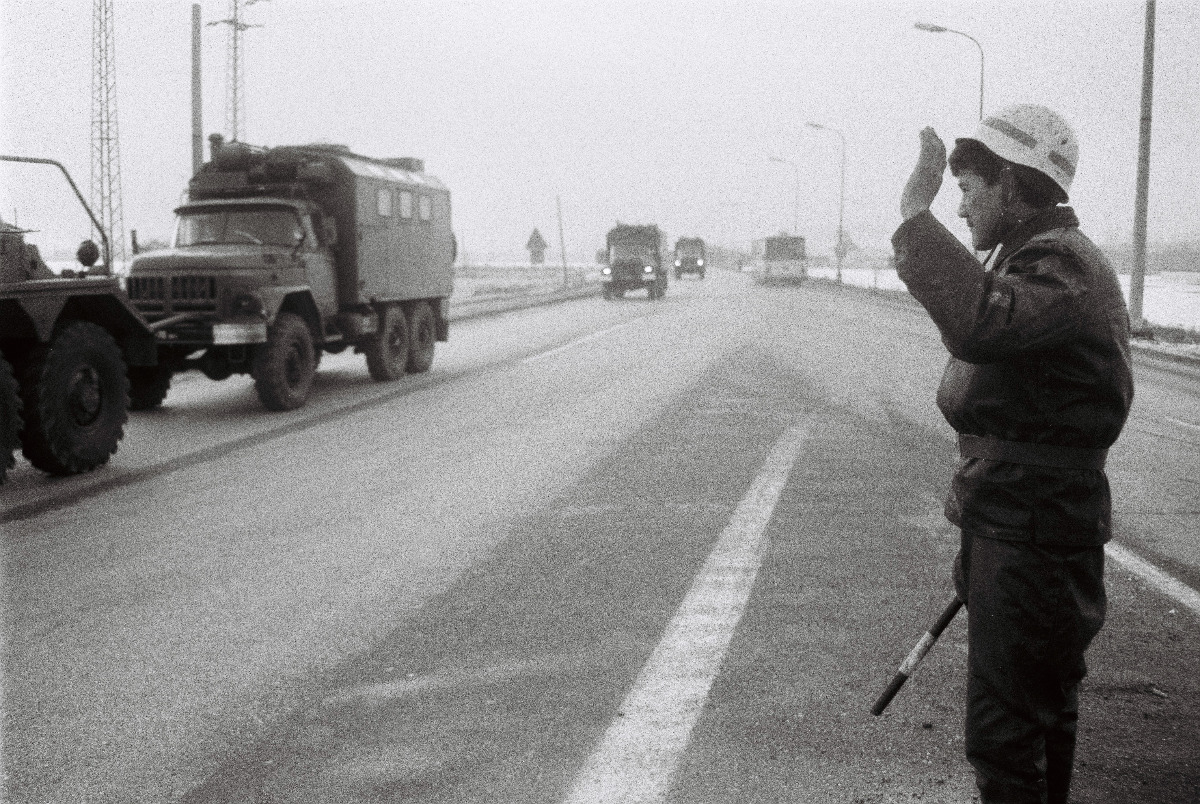
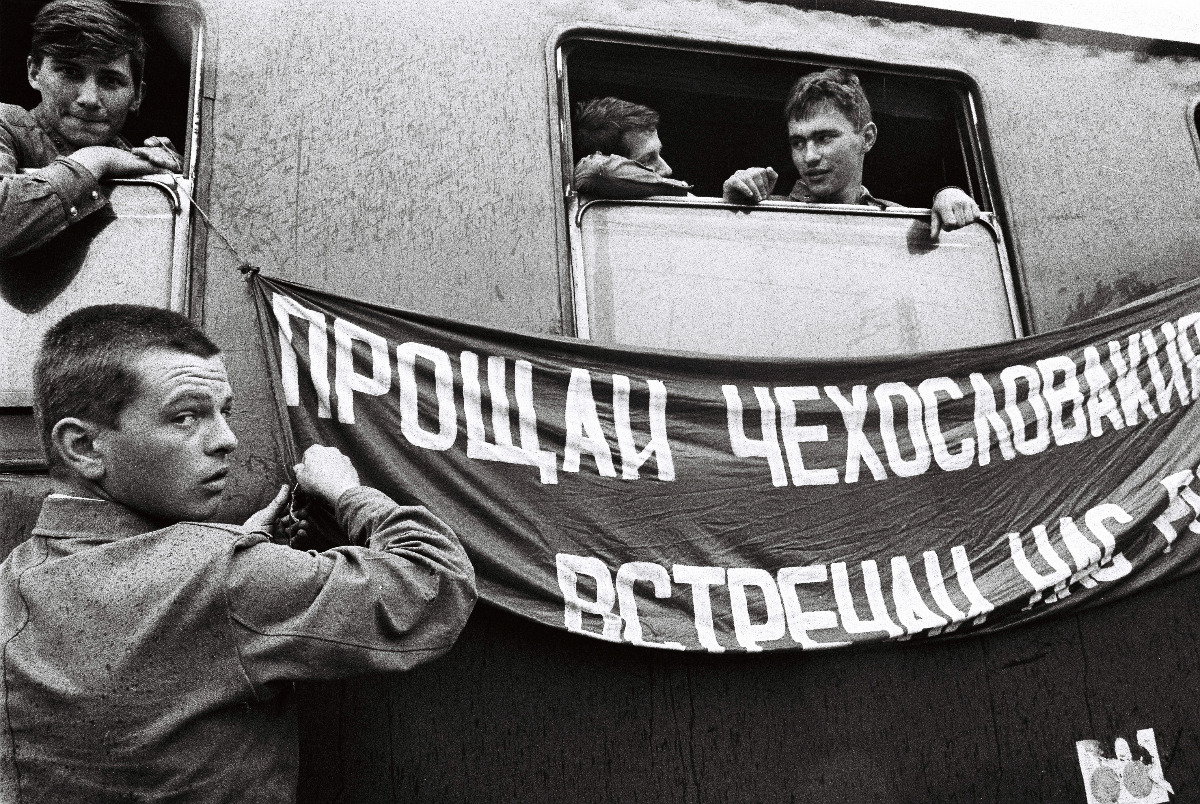
Photos: TASR
